Muslim communities of Africa
A quarter of the world’s Muslims are African; aqiqah, walima, mahr, and iddah shape rites continent-wide.
 Nigeria
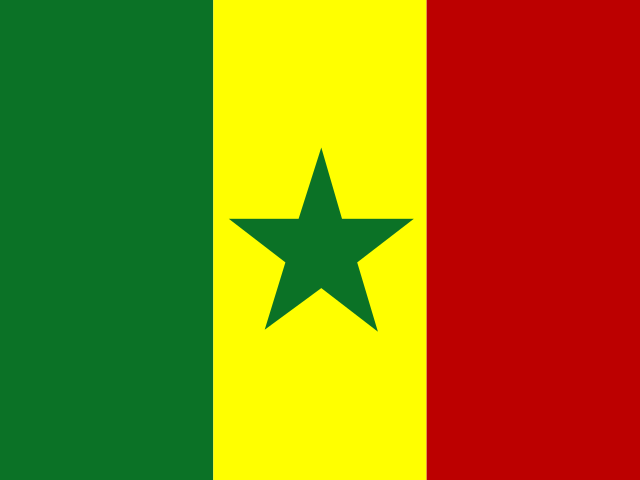 Senegal
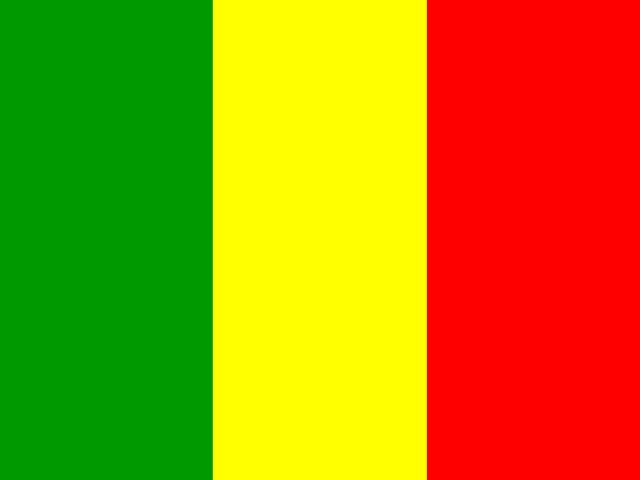 Mali
Mali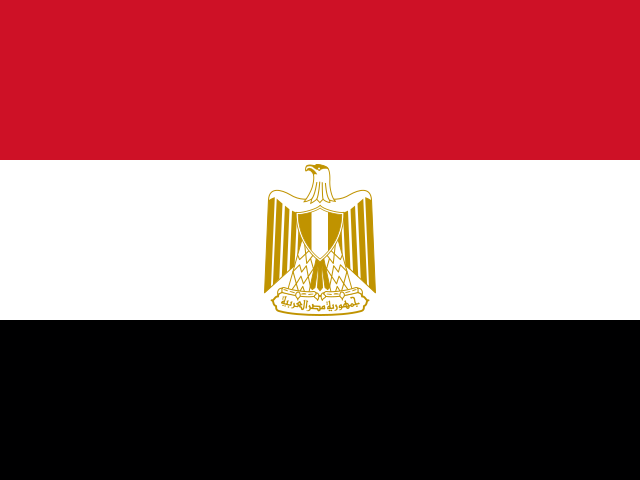 Egypt
Egypt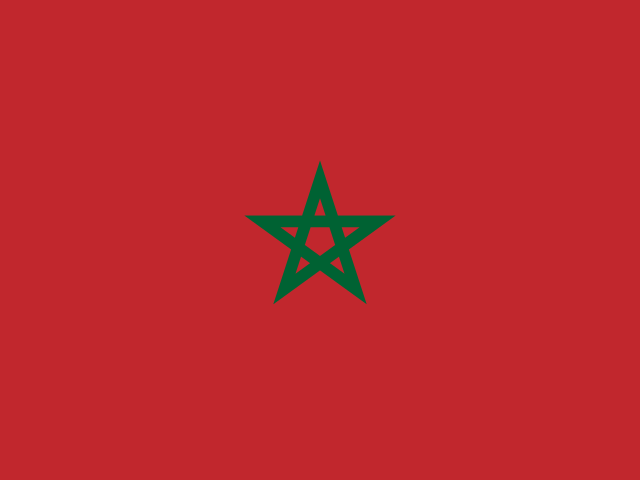 Morocco
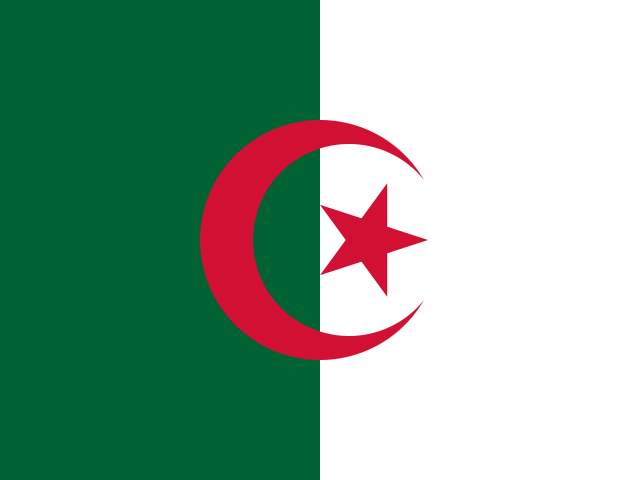 Algeria
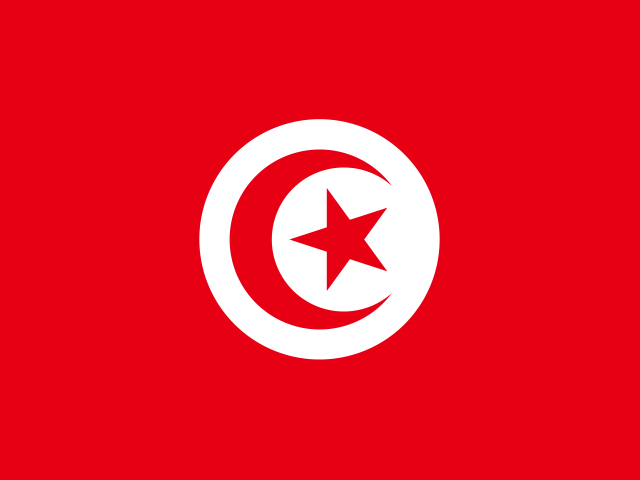 Tunisia
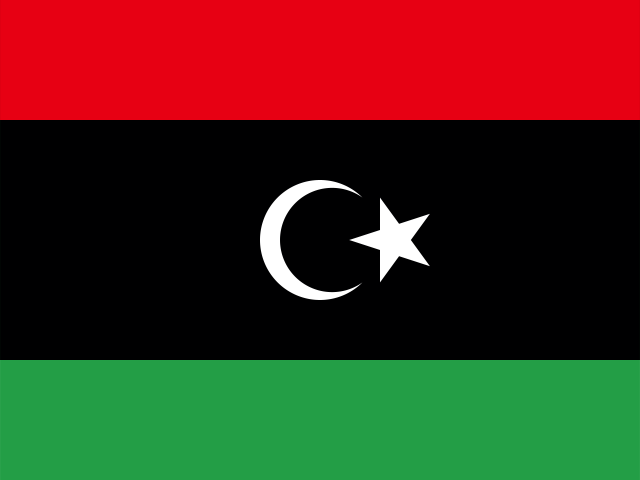 Libya
Libya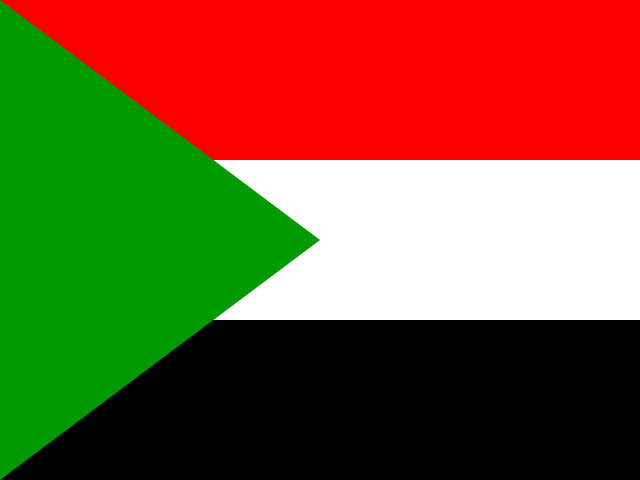 Sudan
Sudan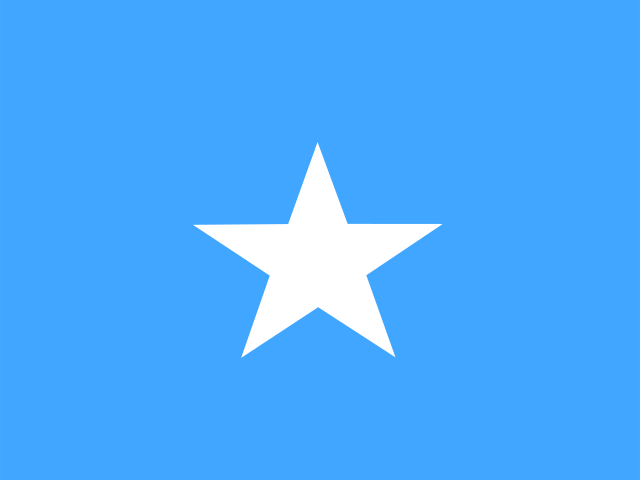 Somalia
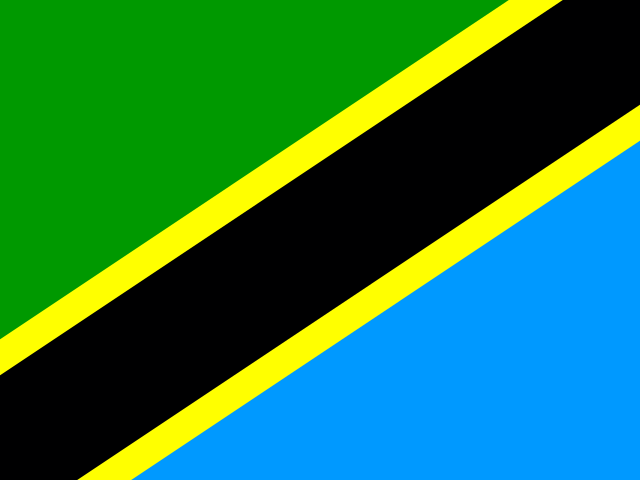 Tanzania
 Kenya
Kenya South AfricaArabic (liturgical)many local languages
Customs they practice
8 recorded rites, each with its steps and its WHY.
Sunan jariri · the Hausa naming day
On the seventh day the Hausa family gathers after dawn prayers; a ram is slaughtered, the child’s head may be shaved, and the malam whispers the name with the call to prayer in the child’s ear.
Hausa · Fulani · Muslim communities of Africa
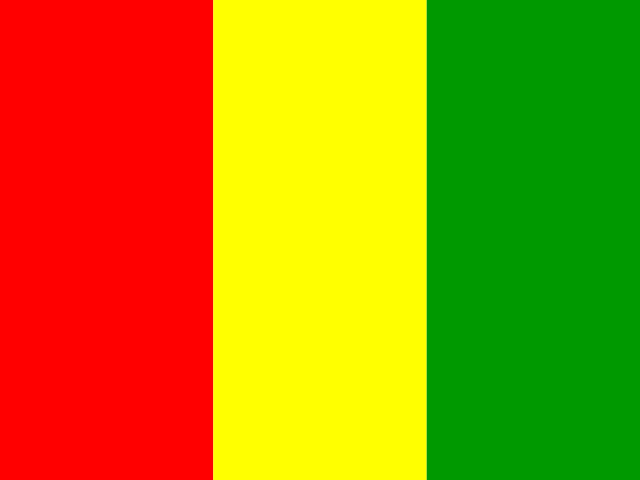
Ngente · the Wolof naming day
The Senegalese eighth-day celebration: the child is named in the morning rite, and the afternoon becomes a grand social feast where the griot proclaims the name and lineage.
Wolof · Muslim communities of Africa
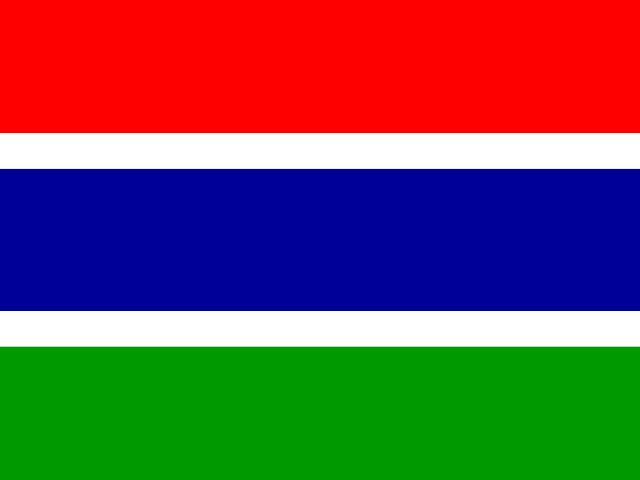
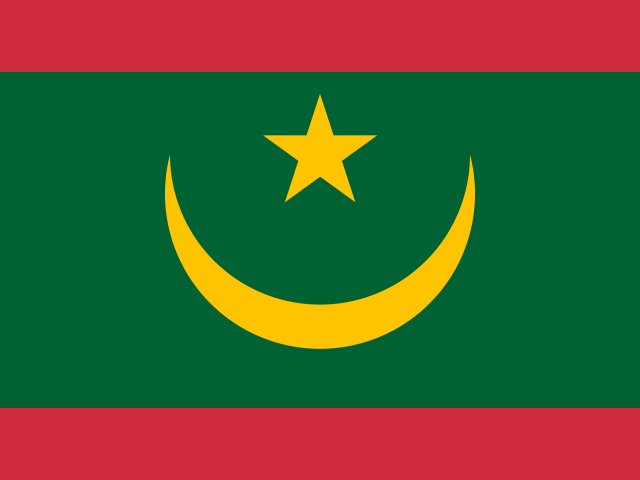
Sebou · the Egyptian seventh-day welcome
Egypt’s seventh-day celebration, older than Islam and Christianity in the Nile valley: the baby is carried in procession with candles, sieved and gently instructed, amid song and noise to make the child brave.
Egyptians · Coptic Orthodox Christians · Muslim communities of Africa
Aqiqah · the Islamic welcome sacrifice
Across Muslim Africa the seventh day brings aqiqah: a sheep or goat sacrificed in thanks (two for a boy in many communities), the baby’s head shaved, silver given in charity, and the name announced.
Muslim communities of Africa · Hausa · Swahili Coast +4
The henna night
Across North Africa, the Swahili coast, and the Cape, the bride’s hands and feet are adorned with henna on a music-filled night before the wedding, surrounded by the women of both families.
Amazigh · Egyptians · Swahili Coast +2for women
Mahr · the Islamic dower
In Muslim marriages across Africa, the groom gives the bride herself (not her family) an agreed dower: money, gold, property, or even teaching her something of value; it is hers alone.
Muslim communities of Africa · Hausa · Swahili Coast +4
ʿIddah · the Islamic mourning period
Across Muslim Africa a widow observes iddah: four months and ten days of staying close to home in plain dress, a protected mourning in which the community owes her care and her affairs settle.
Muslim communities of Africa · Swahili Coast · Hausa +3for women
Al-arbaʿīn · the fortieth day
Egypt marks the fortieth day after a death with a major gathering of condolence and remembrance: Qur’anic recitation or memorial mass, visits to the grave, and the end of the first mourning: a custom with pharaonic echoes.
Egyptians · Coptic Orthodox Christians · Muslim communities of Africa
What they wear
3 pieces, what it says and who may wear it.
Kofia
A brimless, flat-topped cap, often intricately embroidered in white-on-white or gold thread, worn by Swahili Coast Muslim men for prayer and formal occasions.
Swahili Coast · Muslim communities of Africa
Kufi
A short, rounded, brimless cap worn by Muslim men across West Africa, ranging from plain everyday cotton to densely embroidered formal versions.
Hausa · Fulani · Muslim communities of Africa
Henna adornment
Intricate reddish-brown patterns painted onto the hands and feet with henna paste, worn especially by brides in the days before a North African and wider Muslim-community wedding.
Amazigh · Muslim communities of Africa
Names from this tradition
4 names in the decoder, meaning first.
Aminata
machine draftTrustworthy, faithful.
Given nameWolof & Mandinka (Senegal, Mali, West Africa)
Amina
machine draftTrustworthy; the warrior queen’s name.
Given nameHausa (Nigeria, Niger)
Baraka
machine draftBlessing.
Given nameSwahili coast (East Africa)
Ayaan
machine draftGood fortune; a blessed life.
Given nameSomali (Somalia, Djibouti & the Horn)