uVelaphi · where do you come from?
The Digital Ancestor.
The customs of a whole continent, and the reasons behind them. What to do, when, with whom, and above all why: recorded for a generation raised between worlds, so that nobody has to fumble a rite they were never taught.
Ask your uncle. And while you find your uncle, ask us.
The customs library
From the library
Lobola to the braai, the henna night to the turning of the bones: if it is practiced in Africa, it belongs here. Every entry carries its names in every language, its steps, its people, and its WHY.




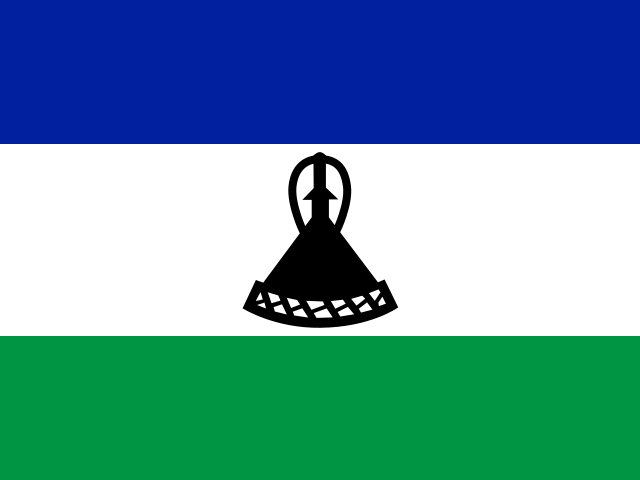

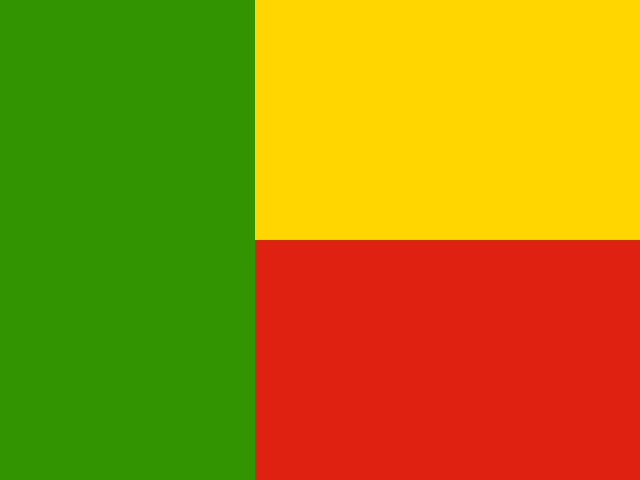
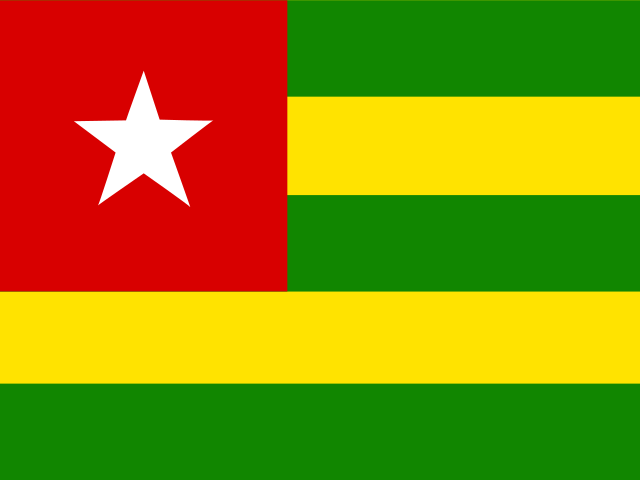
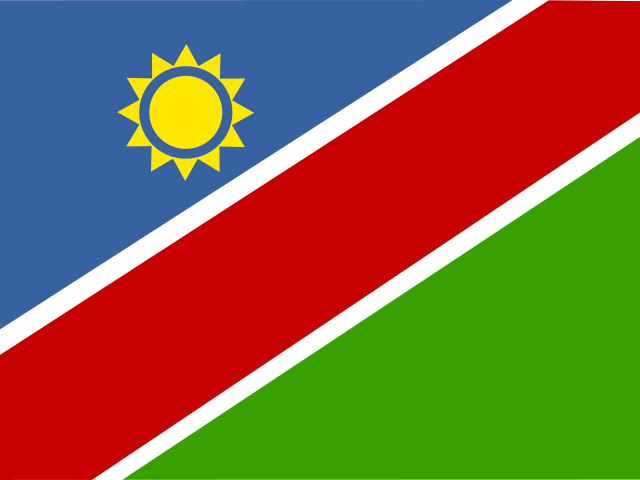


In colour
Cloth, bead and pot.
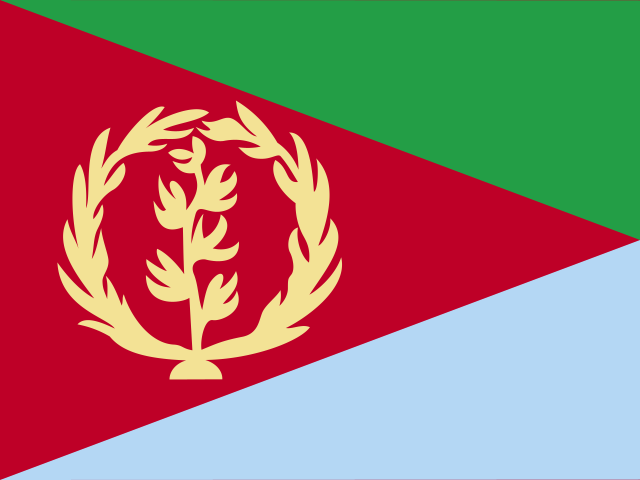
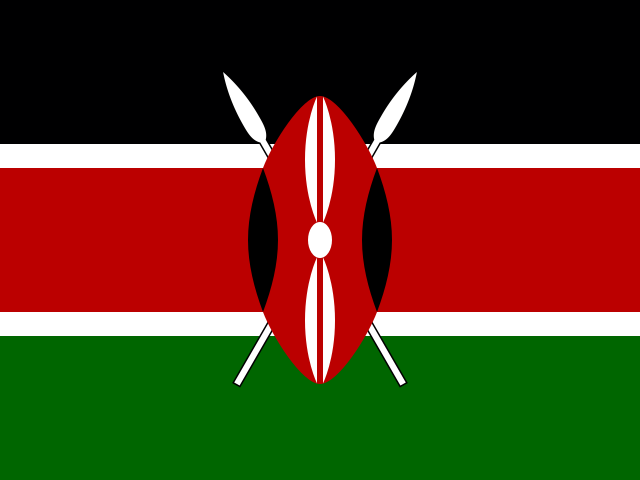
Colour and pattern are not decoration on this continent, they are the message: what a blanket says, what a bead row counts, what a pot is for. Every photograph here is real, and every one names the person who took it.
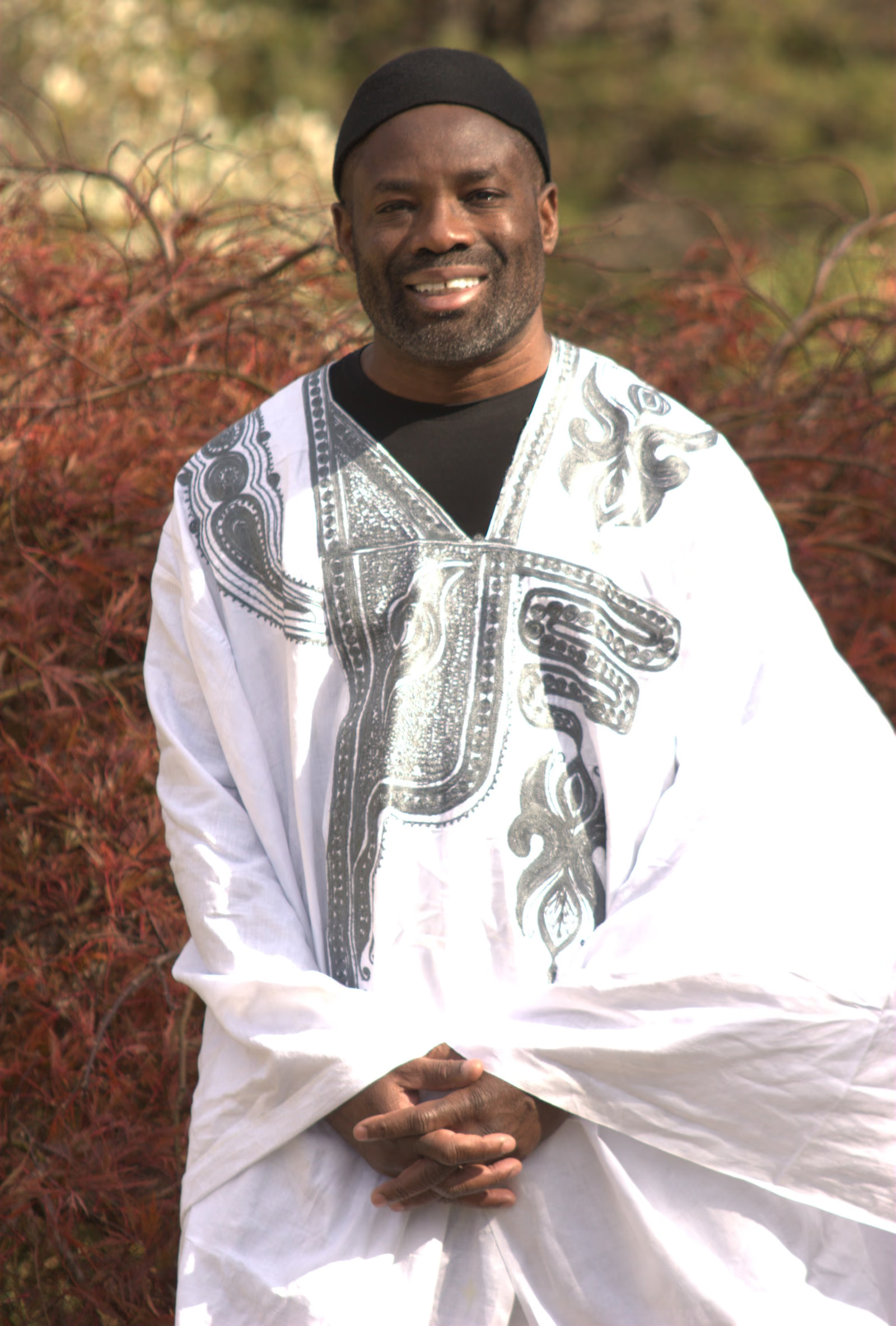
Agbada
InfoATemeagwaliDOTcom, CC BY-SA 3.0
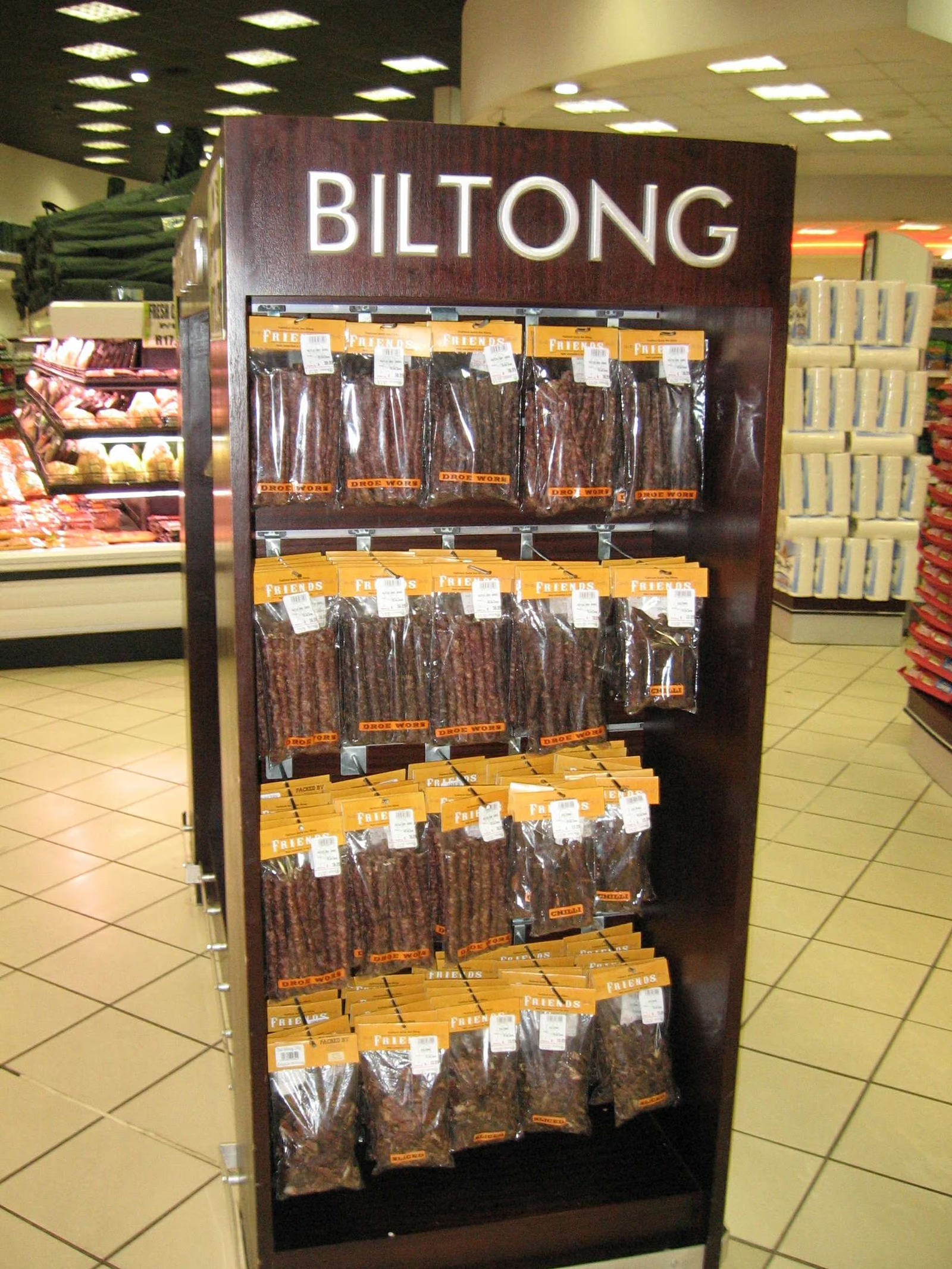
Biltong
Moongateclimber, Public domain
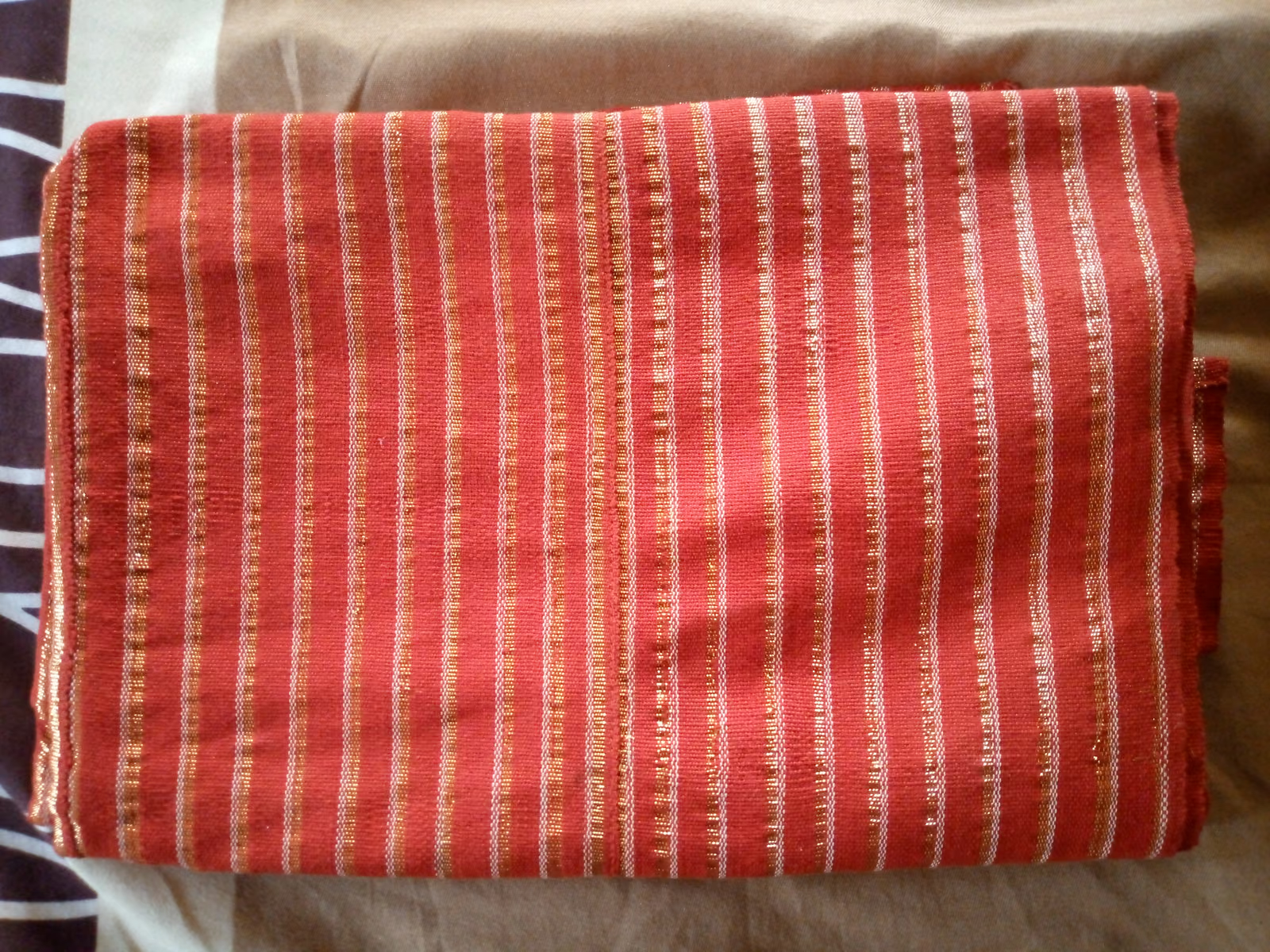
Aso Oke
Jeremyida002, CC0
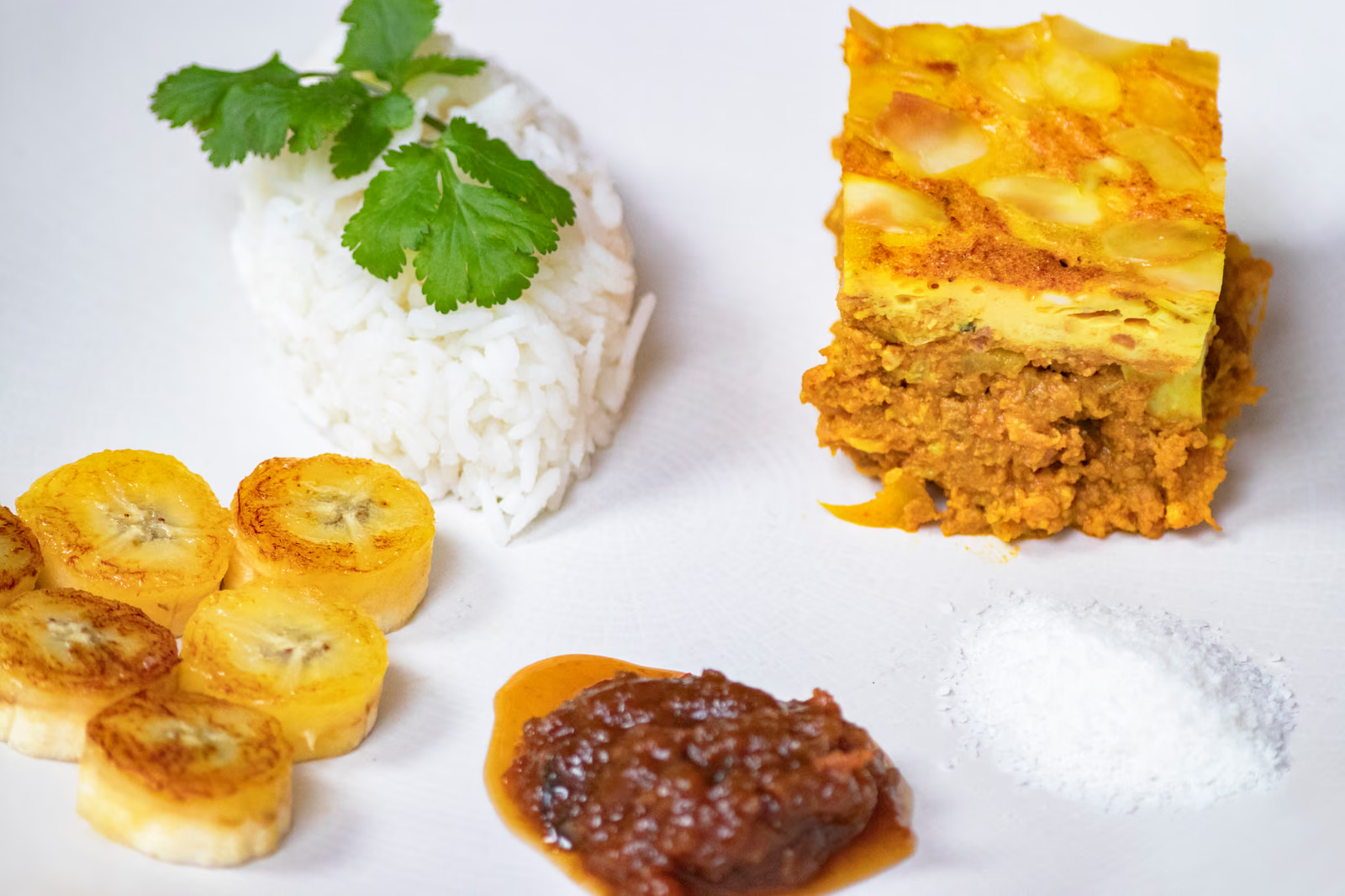
Bobotie
Olivier Lemoine, CC BY-SA 4.0
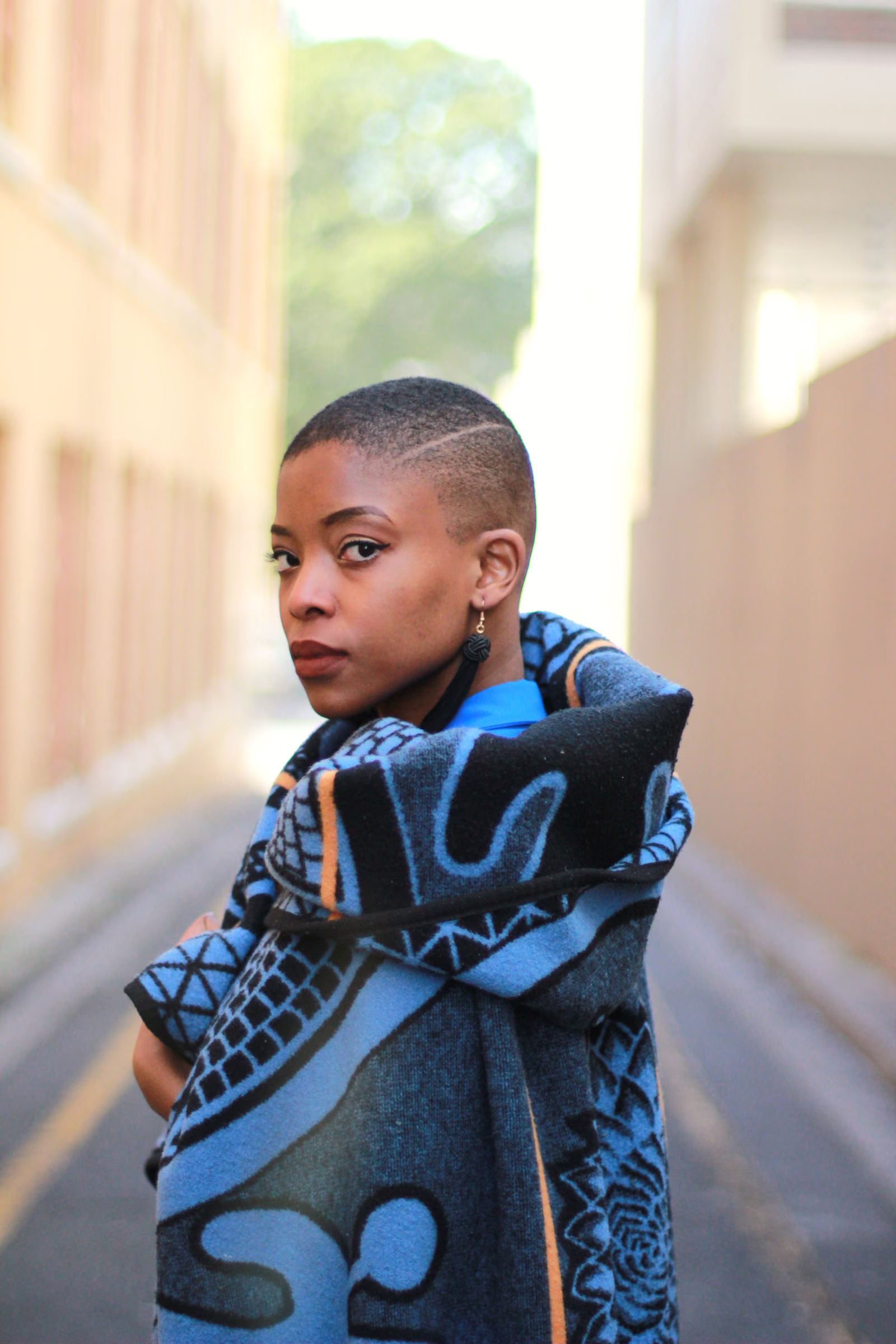
Basotho Blanket
MphoTsuene, CC BY-SA 4.0
Lost in the options?
Take the guided path.
Tell the guide where your roots are (all of them: multiple countries and peoples are the point, not the exception), who the moment is for, and what life is asking of you. It narrows a continent of customs down to the ones that answer you, and teaches you as you click.
Four questions, answered properly
Customs are processes, not articles: steps with roles, timing, etiquette, and reasons. This is guidance, never enforcement.
WHY?
The reasoning behind every step, recorded and cited. A step without a why is flagged incomplete, never papered over.
What do I do?
The steps, roles, and materials of a custom, laid out like a checklist instead of a rumour.
The living corpus
1,181
entries and counting
188 customs · 854 names · 95 dishes · 44 garments
When, and with whom?
Sequence and timing, and whose role is whose: who initiates, who mediates, who receives.
What do THEY do?
A window into everyone else’s world too. Show up at any ceremony informed, respectful, and calm.
You always know what you are trusting
Every claim wears its badge. Machine drafts are labeled as machine drafts; the highest honour is a named elder saying “yes, this is how it is.”
A community draft, compiled by our research and not yet confirmed by people who live it.
Affirmed by people of this culture. Still open to correction.
Verified by a named elder, with their consent.
Tonight's proverb
“Knowledge is like a garden: if it is not cultivated, it cannot be harvested.”
Guinea
Learning left untended yields nothing; practice is the harvest.
Know your name
The Name Decoder
Type any African name and read what it carries: the meaning first, then the totem, praise lines, or day-name beneath it where the tradition holds them. From Yorùbá to Amazigh, every name type.
Decode your name →
Preview
Ask the Elder
A conversational elder for the questions between the entries. It speaks from a model, not the verified corpus yet, so it is clearly labeled and it will point you back to the library.
Open the chat →